Lecture 12:名词性从句
考研英语学习笔记:Lecture 12:名词性从句。保留原始公式、图示与例题。
本页目录
12.1 主从复合句
引入
- 当两句话的重要性一样时,那可以使用并列句;
- 而当两句话重要性不一样时,此时就会有一个重要、一个不重要,可以使用主从复合句(名词性从句);
- 主要的:主句
- 次要的:从句
- 重点学习从句:因为主句通常没什么变化,变化主要集中在从句当中。
12.1.1 主从复合句的构成
构成分析
- 主句:America's new plan to buy up toxic assets will not work.
- 从句 1:unless banks mark assets to levels
- 从句 2:which buyers find attractive.
- 主句是一个普通的句子,从句前面都加了一个连接词;
12.1.2 从句的分类
- 第一节:名词性从句
- 第二节:定语从句
- 第三节:状语从句
12.2 什么是名词性从句
概念
- 一个从句,在句子中当名词来用,此时称其为名词性从句;
- 四类名词性从句
- 一、宾语从句 (考的最多)
- 二、表语从句 (考的略少)
- 三、主语从句 (也重要)
- 四、同位语从句(也重要)
- 相同点:写法基本相同,只不过位置不同 -> 只要掌握了一种写法,其余三种方法都类似;
12.3 宾语从句的用法
12.3.1 宾语从句基础
什么是宾语从句
- 核心概念:一个句子作宾语,放在另一个句子(主句)中;
- 图示:
- 法官肯尼迪写道,之前的决议是有瑕疵的;

12.3.2 宾语从句的写法
宾语从句的写法
- 核心:
- 1. 主句是陈述句,从句也得改成陈述句然后加入到主句中;
- 2. 即使外面的主句为疑问句,里面的从句也还是陈述语句;
- 3. 即:宾语从句总是陈述句;
- 1. 陈述句改为从句
- 将陈述句前面加 that,直接放到主句后背;
- Dr. Worm acknowledges (that)these figures are conservative.
- that:虽然可以省略,但是不推荐省略掉;
- We believe (that)consumers should have more control.
- 2. 疑问句改为从句
- 将疑问句中开头的谓语动词往后放,或者和文中的谓语动词合并,然后加在主句后背;
- We suddenly can't remember where we put the keys just a moment ago.
- 3. 一般疑问句改为从句
- 把一般疑问句加入到主句后,前面加是否(if、whether),推荐加 whether;
- 一般疑问:Are other clients going to abandon me, too?
- 回答一般只有是、或者不是;
- 改完后:I don't know if other clients are going to abandon me, too….
12.3.3 宾语从句的用法和位置
总结:宾语从句的用法
- 共同点
- 1. 从句都是陈述句;
- 2. 都是陈述句,然后前面加上一个连接词;
- 方法
- 1. 第一步是将从句改成陈述句;
- 2. 第二步是在从句前面加上连接词;
- 3. 连接词加什么:句子当中缺什么就加什么
- 1. 缺事件:when
- 2. 缺地点:where
- 3. 缺人物:who
- 4. 什么都不缺:that
- 举例:
- 我知道你昨天去商店买了东西什么;
- I know what you bought at the store yesterday.
总结:宾语从句的位置
- 核心概念:三种位置,每种位置时的含义不一样;
- 1. 动宾:
- 动单宾:及物动词 + 从句;
- 动双宾:及物动词 + 人 + 从句;
- 2. 介宾
- 3. 形容词 + 宾语从句(了解即可);
动宾:动单宾
- ... Scientists believe that intelligence can expand and fluctuate according to mental effort.
- belive ... 相信什么:因为是跟在动词 belive 后背,所以是动单宾;
- ... Users could tell advertisers that they did not want to be followed
- 补充:非谓语动词 + 宾语
- .. She wanted to know if vaccines come from animal research.
- 补充:多个宾语从句
- To filter out what is unique from what is shared might enable us to understand how complex cultural behavior arose and what guides it inevolutionary or co gnitive terms.
- filter out what:动宾宾语从句;
- from what:介宾宾语从句;
- 补充:宾语从句后置,it 作形式宾语;
- That kind of activity makes it less likely that the court's decisions will be accepted as impartial judaments
- it 是形式宾语,真正的宾语为 the court's decisions will be accepted as impartia;
- 宾语从句为什么往后放:
- 1. 在主谓宾补中,除了宾语外,还有其他补充的部分(补语),所以会干扰到彼 Task 的执行;
- 2. 宾语太长了;
12.4 表语从句
12.4.1 什么是表语从句
什么是表语从句
- 核心概念:一个句子作表语,放在另一个句子 (主句)中;
- 图示:

12.4.2 表语从句的写法
表语从句的写法:同宾语从句
- 图示:
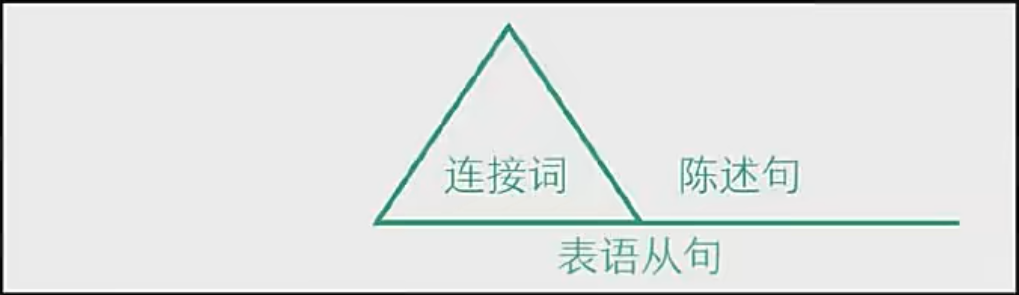
- 注意:宾语从句中的 that 可以省略,但表语从句中的 that 不能省略;
举例
- Part of the issue is that airports have only so much room forscreening lanes.
- 一部分的问题是,机场只有有限的空间;
- This is where developing new habits comes in.
- This is why repeated attempts at reform legislation have failedin recent years.
12.4.3 表语从句的位置
构成
- 主 + 系 + 表
- 常用系动词:
- 1. 单独的 be 动词
- 2. 感官动词
- 3. 似乎好像
- 跟在系动词后背的自然就是表语从句;
- 最常用的,就是跟在"单独的 be 动词"后;
举例
- yet the fact remains that the merger movement must be watched
- remains:系动词;
- Human nature being what it is, most people stick with default settings.
- The explanation for insensitivity to smell seems to be that the brain finds it inefficient to keep all smell receptors working allthe time but can create new receptors if necessary.
- be 动词后,接的是一个很长的表语从句;
12.5 主语从句
这是一个重要考点
12.5.1 什么主语从句
什么是主语从句
- 核心概念:一个句子作主语,放在另一个句子 (主句)中;
- 图示:

12.5.2 主语从句的写法
主语从句的写法:同宾语从句
- 1. 主语从句中的 that 必须留着;
- 2. Weather 和 if 都可以使用;
- 构成:
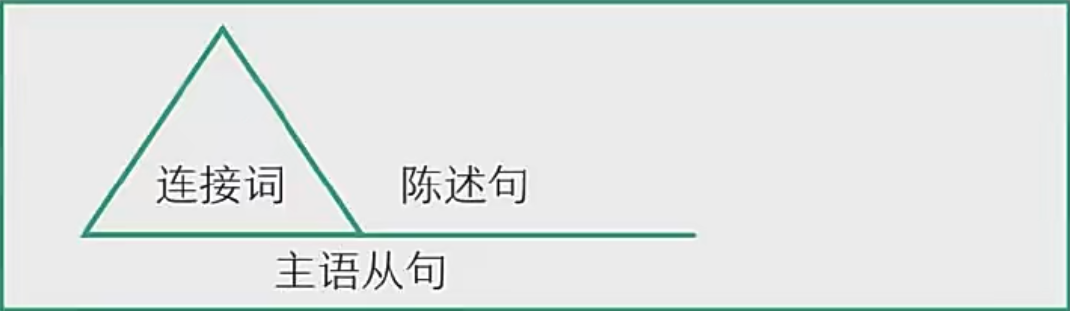
举例
- That the seas are being overfished has been known for years.
- And whether the community's work contributes much to anoverall accumulation of knowledge is doubtful.
- And 不用管,因为它是上一句话的从句;
- whether 是否它们有这么大的贡献;
12.5.3 主语从句的位置
构成
- 核心概念:同一个主语从句,位置可以放在句首,也可以放在句尾,它们的含义一样;
- 第一种:位于句首
- 注意:位于句首 = 放在谓语动词前面,不一定是最前面(比如最前面可能是一个 and);
- 第二种:放在句尾
- 注意:前面用形式主语 It 来代替,然后主语从句往后放;
- 补充:同一个主语从句放前、放后,意思一样。不过自己在写的时候,更推荐写在句尾,因为用 It 的句子更加高级;
举例
- Just how people think is still far too complex to be understood...
- 主语从句位于句首;
- how:人们怎么想的这么事情,已经远远过于复杂了;
- 往后放:It is still far too complex to be understood just how people think.
- What is needed is a technology of behavior...
- 主语从句位于句首;
- 往后放:It is a technology of behavior what is needed...
- It did not matter what was done in the experiment...
- 主语从句位于句尾(这个是考研当中用的最多的);
- 往前方:What was done in the experiment did not matter...
- It is becoming less clear, however, that such a theory would be asimplification...
12.6 同位语从句
12.6.1 什么是同位语从句
什么是同位语从句
- 核心概念:
- 1. 一个句子作同位语,放在另一个句子(主句)中;
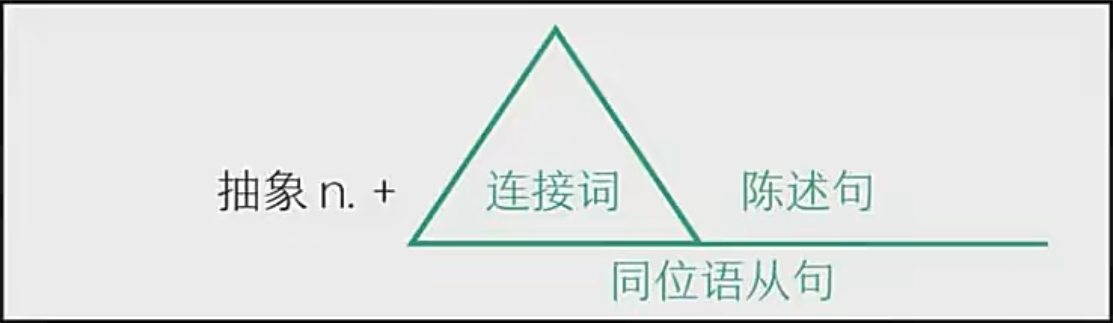
- 2. 同位语从句的作用是解释说明一个抽象名词;
- 注意:不是所有的名词都是需要解释的。需要解释的名词:抽象名词(事实、想法);
- 图示:
- that 引入的一个同位语从句,是用于解释前面的 idea 观点、想法的;

12.6.2 同位语从句的写法
同位语从句的写法:同宾语从句
- 写在主句里面,在连接词之后;
- 最常用用法:that 后,跟上一个陈述句(用疑问句最少,因为是解释前面的名词的);
- 图示:
举例
- Evidence that the Lovelife program produces lasting changes is limited and mixed.
- Evidence is limited and mixed.
- 用于解释证据:the Lovelife program produces lasting changes.
- Since plants don't have nerve systems, the chances that they have consciousness are effectively zero.
- 因为植物不具有神经系统,因此这个机会...(解释这个"机会"一词)
- that they have consciousness are effectively zero
- For my part, I have no idea whether Gilbert is a great conductor or even a qood one.
- weather 后解释 no idea;
12.6.3 同位语从句的位置
同位语从句的位置
- 核心:放在被解释的抽象名词后面;
- 抽象名词:idea, opinion, view, fact, evidence, question, doubt, reason, Demand, theory, belief, possibility, chance, hope, contention, Guarantee…
举例
- In other words, they all share a view that the international taxsystem has failed to keep up with the current economy.
- 解释抽象名词 view;
- But the idea that the journalist must understand the law moreprofoundly than an ordinary citizen rests on an understanding ofthe established conventions and special responsibilities of thenews media.
12.7 总结
12.7.1 内容要点
- 名词性从句分为四类: 宾语从句、表语从句、主语从句、同位语从句;
- 名词性从句的写法基本相同: 名词性从句=连接词+陈述句;
- 后面的从句缺什么成分,则加上相应的连接词。如果从句不缺成分,则加 that, that 在宾语从句中可以省略;
- 名词性从句位置不同;
名词性从句的位置
- 宾语从句
- 动宾
- 动单宾:及物动词 + 从句
- 动双宾:及物动词 + 人 + 从句
- 介宾
- 形容词 + 宾语从句
- 表语从句:
- 系动词后(最常用的是在 Be 动词后)
- 主语从句
- 句首
- 句尾(句首用形式主语 it)
- 同位语从句
- 抽象名词后
12.7.2 为什么要学名词性从句
在表达一个概念时,经常需要使用名词性从句
- 当句子的信息增多时,一个词组表达不了意思,此时就需要使用从句来表达信息;
- 大作文中的很多模板都是名词性从句;