Lecture 23: Nested structures
Graduate English Study Notes: Lecture 23: Nested Structure. Original formulas, diagrams, and example questions are retained.
On this page
23.1 What is a nested structure?
23.1.1 Basic Concepts
Concept
- Core:
- One subordinate clause is embedded inside another clause;
- A sentence may contain several levels of clause nesting;
- Analysis:
- Step 1: Segment the sentence into finite clauses and identify the core of each;
- Step 2: Determine which clause is contained within which larger clause;
- An embedded clause fills a grammatical role inside its containing clause;
- Step 3: Interpret the outer clause and each inner clause layer by layer;
23.1.2 Example Analysis
Examples
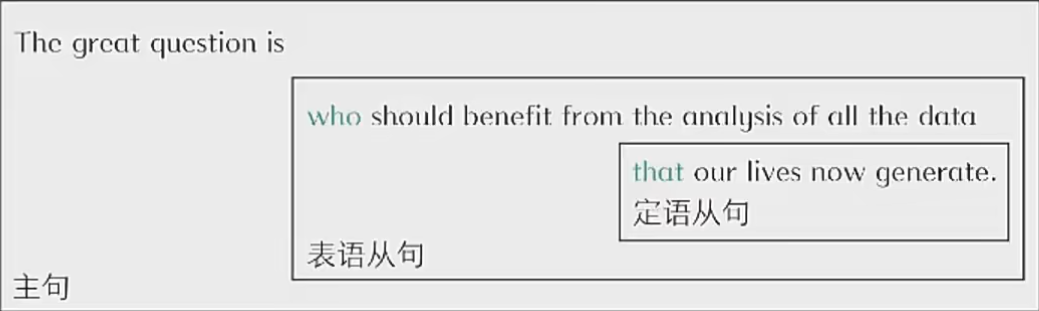
- The great question is who should benefit from the analysis of all the data that our lives now generate.
- Step one: Count the finite verbs
- is、should benefit、generate
- Step 2: Punctuation and connectives
- who、that
- Step 3: Analyze from the outer clause inward
- First, identify the outer main clause:
The great question is ...- Then identify its subject complement:
- who should benefit from the analysis of all the data ...: embedded interrogative clause functioning as a predicative complement;
- Looking further inside:
that our lives now generate: relative clause modifyingdata;- Logical Relationships:
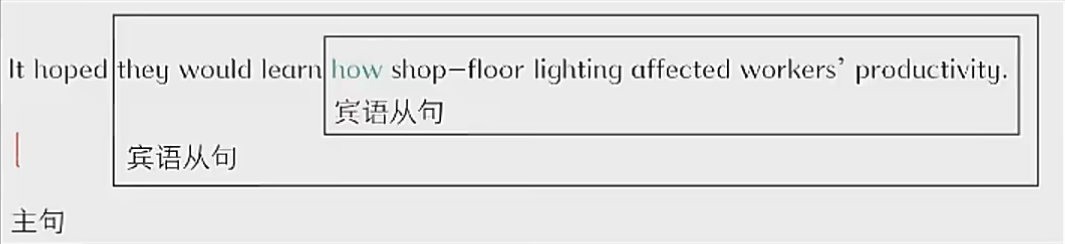
- It hoped they would learn how shop-floor lighting affected workers' productivity.
- Finite verb:
- hoped -> actively hoping -> finite verb;
- would learn -> finite verb;
- affected -> actively affecting -> finite verb;
- Connectives: omitted
thatbeforethey would learn, andhow; - Clause structure:
It hoped [that ...]: the omittedthat-clause is the object ofhoped;they would learn [how ...]: the embeddedhow-clause is the object oflearn;- Logical Relationships:
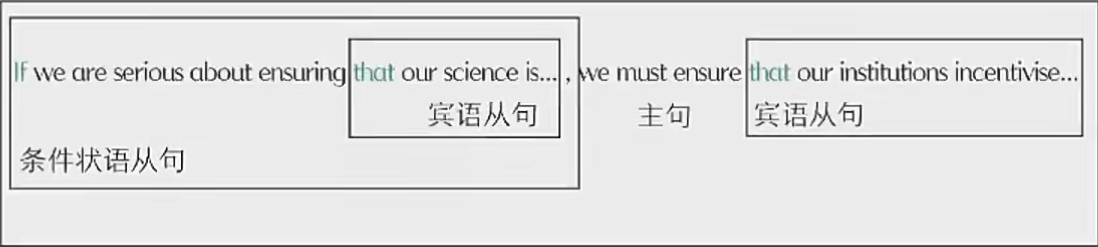
- If we are serious about ensuring that our science is both meaningful and reproducible, we must ensure that our institutions incentivise that kind of science.
23.2 Past-Paper Practice
Examples
- Carnegie would be right if arguments were fights, which is how we often think of them.

- A few generative rules are then sufficient to unfold the entire fundamental structure of a language, which is why children can learn it so quickly.
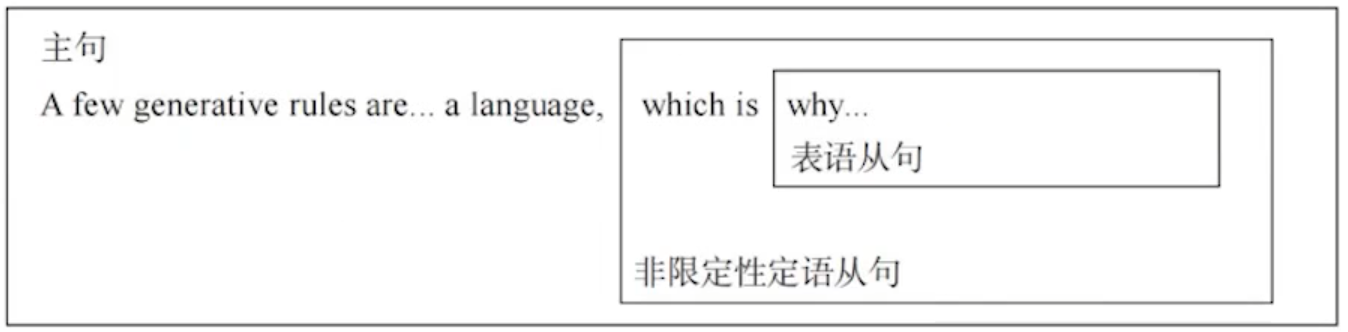
- Look from outside to inside, layer by layer - > First look at the main clause, then the clause;
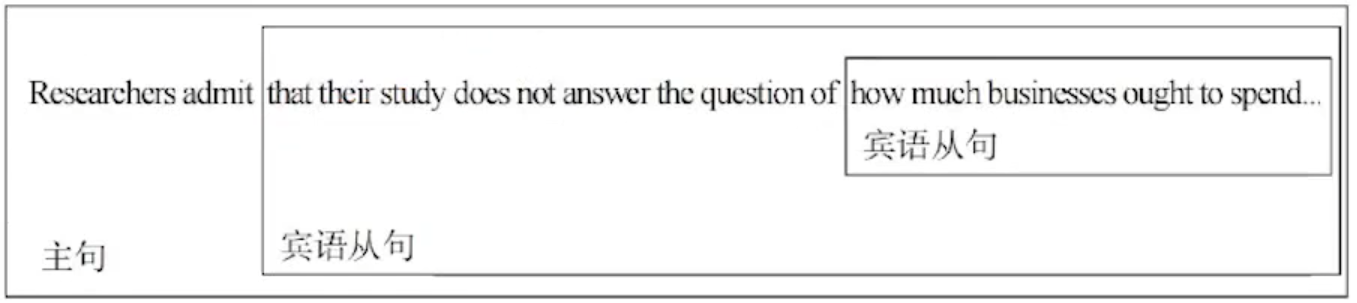
- Researchers admit that their study does not answer the question of how much businesses ought to spend on CSR
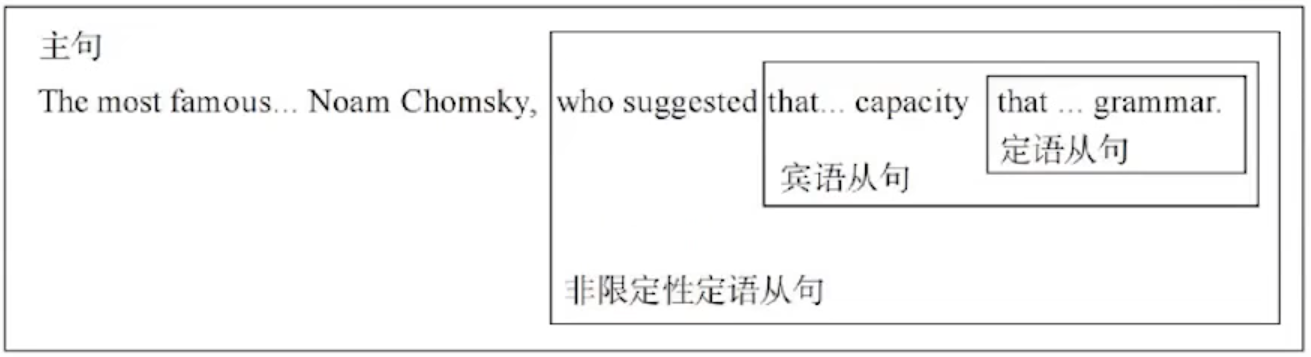
- The most famous of these efforts was initiated by Noam Chomsky, who suggested that humans are born with an innate language-acquisition capacity that dictates a universal grammar.
- For years executives and headhunters have adhered to the rule that the most attractive CEO candidates are the ones who must be poached.

- Here is a troubled business that keeps hiring employees whose attitudes vastly annoy the customers.
