Lecture 3:谓语动词的情态与语态
考研英语学习笔记:Lecture 3:谓语动词的情态与语态。保留原始公式、图示与例题。
本页目录
3.1 谓语动词的情态
3.1.1 什么是谓语动词的情态
什么是情态
- 表示我对一件事情的态度;
- 情态的动词不需要变本身的动词,而是:情态动词 (受时态变化) + 动词原形;
常用情态动词
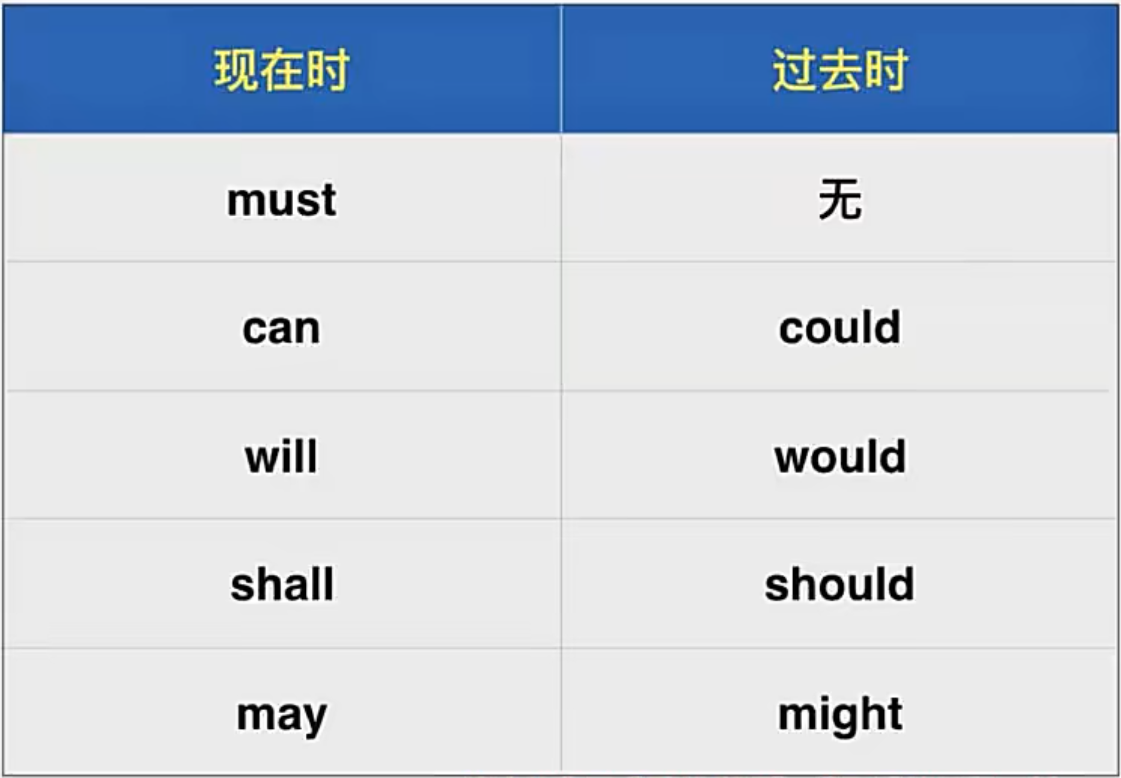
3.1.2 如何使用情态动词
共性的特点
- 特点:
- 1. 情态动词表示情绪态度,后背肯定会跟上一个动词原形,来表示这件事情本身,然后再加上情绪动词表示对这件事情的态度;
- 2. 情态动词后面不能加 am、is、are;
- 3. 情态动词的时态变化有限;
- 普通的动词有多种时态;
- 情态动词一般只有现在和过去两种时态;
- 4. 情态动词的人称无变化
- 没有第三人称的动词变化
- 5. 情态动词变否定、疑问(常考)
- 否定:直接加情态动词后背 + not;
- 疑问:直接提前,加问号;
- 举例
- i can do something 和 i cound do something
用法
- 单词:could、would、should、might
- 含义 1:表示过去;
- 含义 2:表示现在,但是是更委婉的语气、客气的意思;
- can you help me 和 could you help me
- 含义 3:用在虚拟语气当中
3.1.3 用法 1:表达什么样的情绪态度
用法一:must
- 含义:
- 情绪态度很强
- 必须
- 举例:
- we must also act with caution.
- 我们必须也谨慎的行动;
用法二:can/could
- 含义
- 1. 能够做某事;
- 2. 可以做某事,表示允许;
- 举例
- Could a hug a day keep the doctor away?
- 一天一个拥抱能让医生远离我吗?
用法三:will/would
- 含义
- 1. 在将来的时态当中,表示将要;
- 2. 表示一种意愿;
- 举例:
- Will you marry me?
- 你愿意嫁给我吗?
- The first draft will appear on the page...
用法四:may/might
- 含义
- 1. 表示可以 -> 允许;
- 2. 表示可能 -> 可能性;
- 举例
- expressions may influence emotion rather than just the oter way around.
用法五:should
- 含义
- 表示应该;
- 举例
- Those suffering from persistent nightmares should seek helpfrom a therapist.
3.1.4 用法 2:表示推测、可能性
所有的情态动词,都可以表示推测
情态动词 + do
- 区别:不同的情态动词,表示推测的可能性不一样;
- must:表示推测的可能性最高;
- may、will、should:可能性适中 -> 可能、也许怎么样;
- can:表示推测的可能性最低,甚至可以 can not;
- can not:不可能的;
- 举例
- The details may be unknowable...
- 这些细节可能是不知道的;
- 注意“may be”两个单词是分开的;
- 和一起的时候,是一个副词,可以修饰整个句子;
- 分开的时候是“可能是”;
- It might be poetic, philosophical, sensual, or mathematical, but inany case it must… have something to do with the soul of the human being.
- 两个情态动词的推测,但可能性不一样;
情态动词与推测
- 推测现在:+ do
- 推测现在正在做某事:+ be doing;
- Now something similar could be happening in the oceans.
- 现在一些类似的事情正发生在海洋里;
- 表示过去的推测:+ have done
- must 也可以表示对过去的推测;
- she must be cry
补充的情态动词词组
- have to:必须,不得不做;
- They have to be careful not to come across as disappointed in their child
- 它们必须尽量小心不在孩子身上露出失望的表情;
- ought to:也是表示应该做某事;
3.2 真题演练
题目:Online education can supplement the traditional kind
- 线上教育能够补充传统教育;
题目:He must store a large quantity of grain instead ofconsuming all his grain immediately
- must:必须
- 他必须存储大量的谷物,而不是把他们消耗掉;
题目:This could add value to their businesses in three ways
- could:这里可以表示能够,也可以表示可以;
题目:Upcoming reforms might bring the price to a more reasonable level
- 可能,可以;